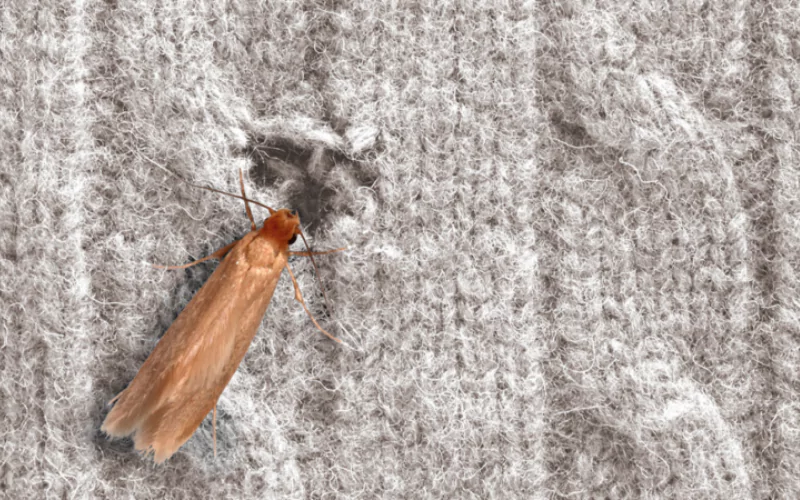

Carpet moths silently eat through valuable fibers, leaving sudden bare patches and fabric damage that most homeowners don’t notice until it’s too late. Their hidden activity can turn a regular carpet into a health hazard and a financial burden almost overnight. Thus, our team believes you must know how to get rid of carpet moths yourself effectively until professional help arrives.
The reason we insist on this aspect is simple: your efforts set the stage for thorough professional deep carpet cleaning. So, after an internal discussion, we curated this informative piece on carpet moth treatment. Once you are done reading, you’ll have a workable strategy to eliminate the carpet moths and refresh your carpet.
However, you need to know about carpet moths and their lifecycle before applying any moth treatments for carpets. We say this as, based on our observations, many homeowners who spot moths early try to clean carpets themselves but fail due to a lack of knowledge about carpet moths.
Understanding Carpet Moths and Their Lifecycle
Carpet moths, most commonly the webbing clothes moth (Tineola bisselliella) and the case‑bearing clothes moth (Tinea pellionella), are small but destructive household pests.
According to the Department of Entomology at the University of Kentucky, their larvae feed on keratin, which is found in natural fibers such as wool, silk, fur, and feathers; adult moths do not feed. The larval stage is responsible for the real fabric damage of the carpet.
Carpet Moth Lifecycle & Effect on Carpet
- Eggs (3 to 30 days): Females lay eggs directly on carpet fibers. They are microscopic and embed invisibly in the carpet pile. While they don’t damage fabric themselves, their presence seeds future larvae that will compromise the fiber.
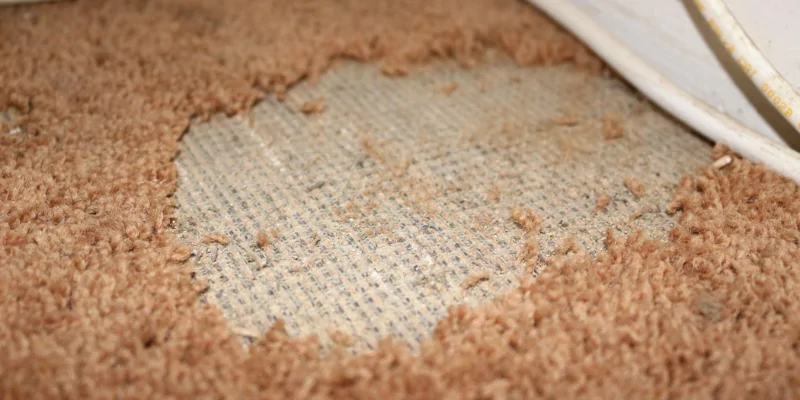
- Larvae (4 to 24 weeks): This is the destructive stage. Their feeding chews through the pile down to the backing, leaving irregular bare patches and weakening the carpets’ structure.
- Pupae (8 to 15 days): At this stage, larvae stop eating and form protective cocoons within the carpet fibers. While they don’t cause new damage, their cocoons can mat fibers together, leaving rough or hardened spots that resist cleaning. They are also resistant to most surface treatments, making elimination harder.
- Adults (2 to 3 months): Moths appear, mate, and lay eggs to restart the cycle. Adults don’t feed, so they don’t directly damage carpet fabric. However, mating activity leads to repeated infestations, meaning untreated carpets face ongoing cycles of larval damage.
A Proven 5-Step Strategy on How to Get Rid of Carpet Moths Effectively
Having understood how carpet moths progress through their lifecycle, one thing is clear: they can quickly re‑establish if not contained. That’s why our team recommends some simple DIY measures to break their activity and keep carpets protected.
But, before we deep dive into the steps, let’s have a quick look at the obvious signs of carpet moths:
- Bald patches
- Small holes in rugs or fabrics
- Larvae resembling rice grains
- Silken cases along edges
- Frass droppings or musty odors
Step #1. Identify The Moth
Accurate identification sets the stage for effective removal of carpet moths. Recognizing seems simple, but in our observation, many owners often mistake pantry or grain moths for carpet moths, but they don’t need to be treated as they pose no threat to carpet fabric.
Here are some specifics on appearance, based on guidance from the New Jersey Agricultural Experiment Station at Rutgers University (NJAES):
- Webbing clothes moth: Golden scales with reddish hairs on the head, about ¼ inch long with a ½‑inch wingspan. Narrow wings are edged with long hairs, and they avoid light, making them harder to spot.
- Case‑bearing clothes moth: Buff‑golden wings marked by three dark spots, wingspan ⅜–½ inch. They often pupate in protective cases connected to walls or hidden near carpets.
- Other species: Brown house moths and white‑shouldered moths; less common, but if near carpet or rugs, they can still damage the fabric.
Step #2. Inspect Infestation Level
Inspect carpets, rugs, and upholstered areas for visible signs of damage. Look for threadbare patches, silken tunnels, or larval activity in dark, under furniture, or along baseboards. Early detection often demonstrates localized damage that can be handled with targeted cleaning.
Our team considers that severity is best judged by assessing spread: small patches suggest a mild infestation, while widespread thinning or multiple larvae groups indicate extensive damage, which usually requires professional carpet moth treatment.
Step #3. Initiate Carpet Cleaning
Gather basic tools: a broom, a vacuum with a disposable bag, and a dustpan. Sweeping and vacuuming will remove surface debris, lint, and crumbs that attract moths. Pay close attention to hidden carpet areas under furniture, along baseboards, and inside closets. Dispose of vacuum bags quickly to prevent larvae from escaping.
Our technicians note that a sweep and vacuuming session clears the fabric, making later steps more effective and ensuring the carpet is ready for application of natural remedies for thorough cleaning.
Critical note: If infestation is extreme, you may need to sweep and vacuum repeatedly until visible debris and larval activity are minimized.
Step #4. Apply Natural Remedies
For mild infestations, you can sprinkle baking soda or salt lightly into carpet fibers and vacuum again. These natural abrasives weaken larvae and discourage moth activity. A diluted vinegar solution applied to small spots can also help break down eggs without damaging fibers.
If your carpet has moderate to severe infestations, our technicians suggest using stronger natural mixes. A blend of vinegar and lemon juice offers added acidity, while borax powder (used sparingly) penetrates deeper into fibers to reduce larvae. Adjusting the solution to infestation severity ensures carpets receive safe yet effective treatment.
Critical note: If you plan to use a commercial carpet cleaning solution, make sure it is EPA‑approved or eco-friendly to ensure safety and avoid any harsh chemicals.
Step #5. Rinse & Dry
After treatment, blot carpets with clean water and allow them to dry fully. Try sun-drying your carpets and rugs outdoors, which is an effective method. The heat and light kill eggs while discouraging moths from returning. Make sure fabric is completely dry, as the slightest dampness can attract pests and undo the cleaning.
Following these steps should help eliminate carpet moths. But remember, these steps are only needed for carpet with natural fabric. Synthetic or polyester fabrics are not harmed by moths.
Signs You Need Professional Intervention
At times, extreme carpet moth infestations are beyond the scope of the DIY methods. In our experience, it’s crucial to identify such instances to prevent costly fiber damage.
- Persistent larval activity despite repeated DIY carpet cleaning
- Large patches of thinning carpet or visible fiber loss
- Recurring moth presence even after the use of cleaning solutions
- Deep‑set damage in the seams of the carpet
- Unpleasant odors linked to hidden infestations
When you notice these signs, you need to reach out to carpet cleaning specialists like us. Here’s what you can expect from our team:
- Thorough Inspection: Our technicians begin with a thorough inspection, checking for moth damage, larvae activity, and carpet type to determine the right cleaning approach.
- Vacuuming: A HEPA‑filtered, high-grade vacuum with powerful suction is used to remove dirt, crumbs, pet dander, and grit. This clears the surface so deep cleaning can target hidden larvae more effectively.
- Pre‑Treatment: Stains, pet accidents, and moth‑affected spots are treated with our eco‑friendly solution, breaking them down for easier removal.
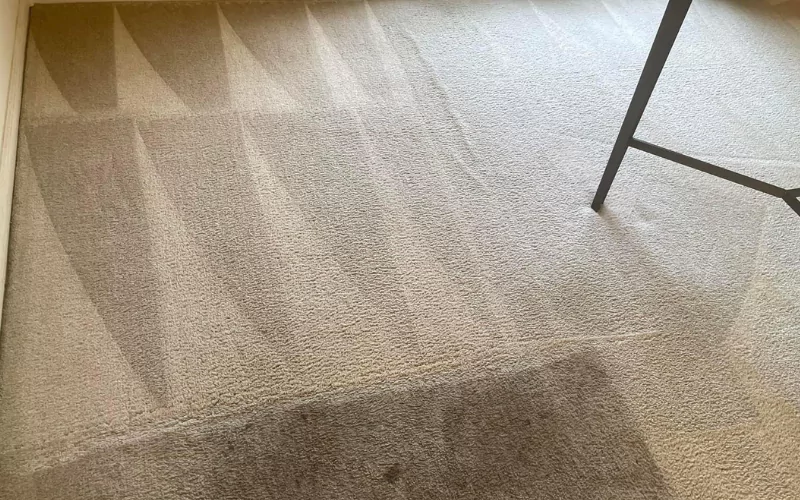
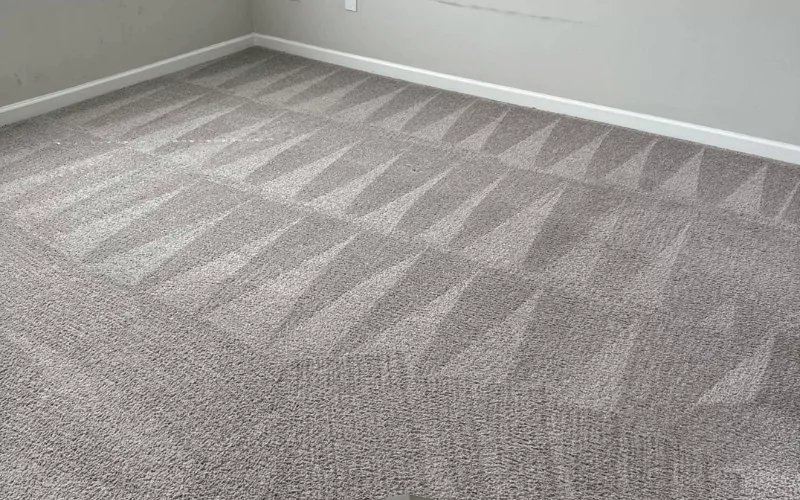
- Steam Cleaning: Once the surface is ready for deep clean, we use a pressurized steam that penetrates fibers, killing moth eggs and larvae while loosening embedded dirt, allergens, and stains, all extracted for a refreshed finish.
- Drying and Grooming: Our low‑moisture steam minimizes dampness. With the help of humidifiers and air blowers, we speed drying, while a bristle brush lifts fibers to restore texture.
After completion, we conduct a final inspection and walkthrough to ensure carpets are spotless, moth‑free, and fresh like before.
Preventive Measures to Keep Carpet Moth-Free
Once professionals remove carpet moths, it doesn’t mean they won’t return. Our team strongly advises that prevention is the key to long‑term protection, and taking a few simple measures helps safeguard fibers and avoid conditions that attract moths, complementing skilled carpet cleaning.
Here’s what you need to do to maintain carpet after professional cleaning:
- Keep carpets dry, as moisture allows larvae to survive.
- Limit food crumbs, regularly check carpets near furniture and eating areas to prevent moth attraction.
- Store other woolen fabric properly, use sealed containers or cedar storage to reduce the risk of moth transfer from blankets, rugs, or sweaters.
- Rotate carpets, move or sun‑dry them to expose hidden areas.
- Inspect hidden spots, check seams, corners, and under heavy furniture where moths thrive.
- Use natural repellents, such as lavender sachets or cedar blocks, to help prevent moths without using strong chemicals.
These were some of the tips to consider. We also recommend using DIY strategies for regular deep cleaning and scheduling professional sessions for continued maintenance.
Team Up With Professional Carpet Cleaning Specialists For Moth Removal
Knowing how to get rid of carpet moths is not just about removal; understanding the lifecycle of carpet moths and applying simple DIY measures helps homeowners gain the confidence to protect their carpets from recurring infestations. However, severe infestation requires expert handling to ensure the fabric stays in its original condition.
At Best Steamer, we have an experienced team of technicians who have been serving for more than 17 years, delivering the best carpet cleaning services. They use advanced equipment and a powerful pr
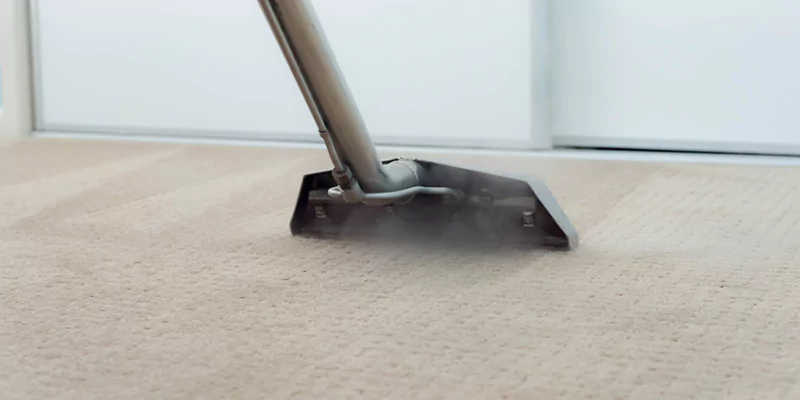
ocess of deep steam carpet cleaning that targets hidden carpet moth eggs and larvae. Our gentle care and eco‑friendly solutions penetrate fibers to disrupt moth activity and refresh carpet.
Give us a call if you have a moth problem that is bothering you.
FAQs
How do you kill carpet moths?
Carpet moths are best killed by dis
rupting their lifecycle with thorough and targeted deep cleaning, vacuuming hidden areas, and using natural repellents or safe sprays to help eliminate larvae and eggs.
Where do carpet moths come from?
Carpet moths usually come from eggs laid in dark, undisturbed areas of natural‑fiber carpets, rugs, or textiles. They can also enter homes through infested wool clothing or stored fabrics such as wool blankets or feather pillows that attract larvae.
Do carpet moths spread from room to room?
Yes, carpet moths can spread from room to room if larvae or adults find new dark spots or undisturbed carpet areas with natural fibers. Consistent cleaning and blocking such hidden zones can only help stop carpet moth infestations from spreading throughout the home.
How much does it cost to get rid of carpet moths?
If you are planning to use sprays or solutions for diy, expect to spend $20 to $120. Professional carpet moth removal costs fall between $150 and $300 per visit, with most spending around $200 to $370 or more, depending on infestation severity, treatment method, and house size. Contact us to discuss the pricing.
A good steam cleaning can kill larvae and eggs hidden in your carpet fibers. The high temperature from the steam is effective in eliminating these pests. Ensure you cover the entire carpet to maximize the impact.
6. Let The Carpet Dry
Finally, make sure your carpet dries thoroughly after steam cleaning. Moist environments can attract other pests and lead to mold growth, so ensure there’s plenty of ventilation or use dehumidifiers to speed up the drying process.
Preventive Measures To Keep Moths Away From Your Carpets
- Periodically deep clean carpets, rugs, and upholstery to kill any larvae or eggs present.
- Use dehumidifiers to keep the humidity levels in your home low to lower the moth attraction.
- Regular professional carpet cleaning has many advantages that will ensure your carpets stay clean and healthy for your family, keeping moths and other pests at bay.
When To Opt For Carpet Cleaning And Pest Control Professionals?
Even after vacuuming, using chemicals, moth traps, and steam cleaning, if you are still unable to get rid of carpet moth infestation, it’s time to call in professionals. They have expertise and equipment to thoroughly treat your carpets and other affected areas, ensuring that all moths, larvae, and eggs are eradicated.
Additionally, consider professional carpet cleaning help. Carpet cleaning experts can deep clean and treat delicate fabrics without causing damage. This combined approach not only eradicates the existing problem but also offers long-term protection, giving you peace of mind and preserving the integrity of your home.